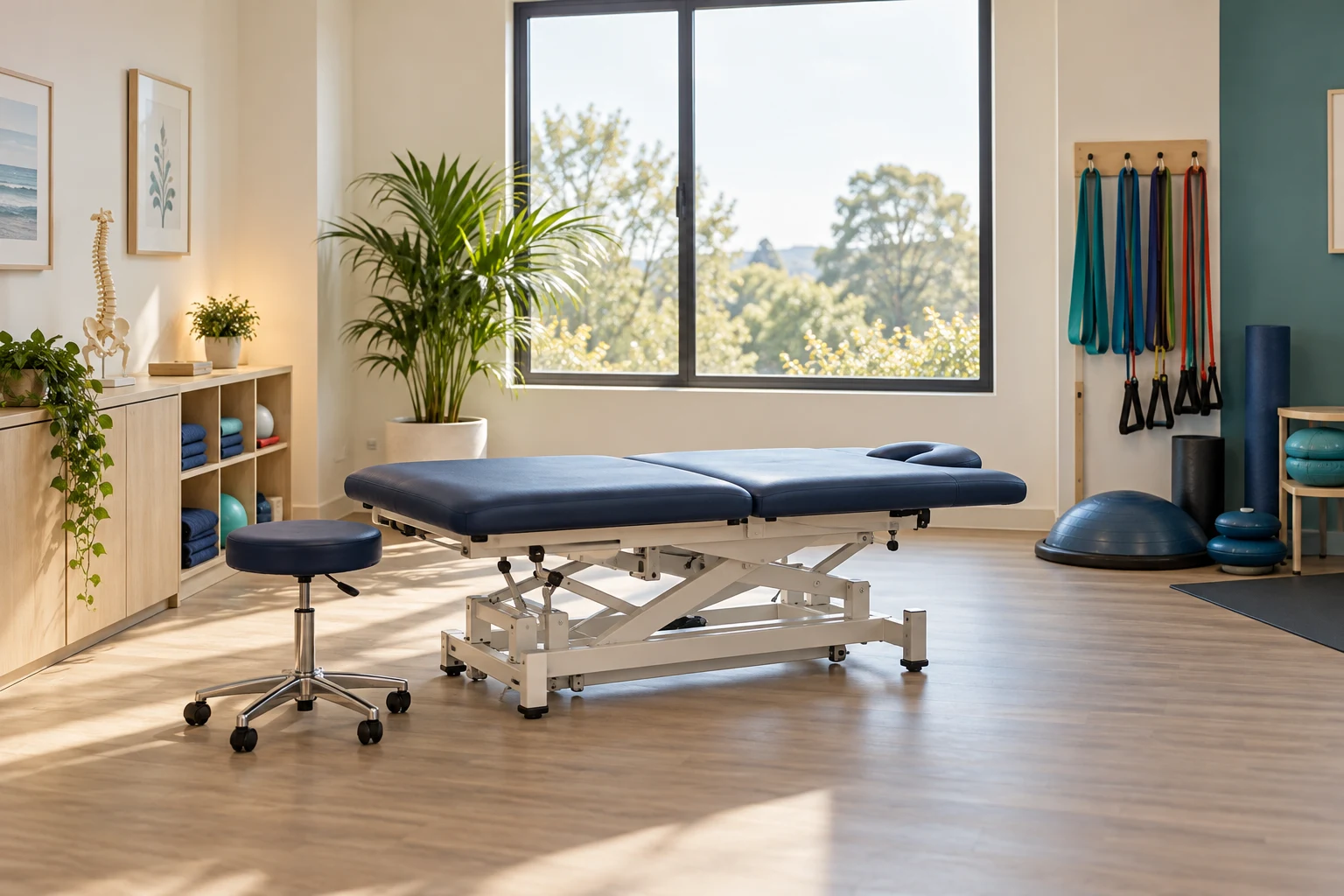
What is geriatric physiotherapy & falls prevention?
Geriatric physiotherapy considers how health conditions, previous injuries, reduced activity and changes in physical capacity affect daily life. Care is based on individual needs, not age alone. The plan may focus on rebuilding confidence after a fall, managing joint-related limitations or maintaining the ability to carry out valued routines.
The assessment and treatment options below explain this area of care. Contact the clinic to discuss your symptoms, confirm suitability and arrange the appropriate appointment.
Conditions and symptoms
- Reduced balance, unsteadiness and previous falls
- Loss of strength or endurance after illness or inactivity
- Osteoarthritis and joint stiffness affecting daily tasks
- Mobility limitations associated with osteoporosis, with appropriate precautions
- Recovery after joint replacement or other medically managed injury
- Difficulty with walking, stairs, transfers or community activities
How it can affect your day
Holding furniture for support, avoiding outings or needing several attempts to stand can be reasons to seek assessment. Tell the clinician about falls and near-falls, even if no injury occurred. Dizziness, fainting or a sudden change in mobility also needs medical attention; these should not simply be attributed to getting older.
Assessment tools and testing techniques
A focused assessment combines your history with selected clinical tests and outcome measures. The examples below are chosen according to the condition, safety and clinician’s training; not every test or device is needed or available at every appointment.
Timed Up and Go (TUG)
What it assessesFunctional mobility and turning
This standardized mobility task includes standing from a chair, walking, turning and sitting. The clinician considers how the task is completed, not only elapsed time. A result contributes to assessment; it does not predict an individual fall with certainty.
30-Second Chair-Stand Test
What it assessesLower-limb functional strength and endurance
Counting appropriately completed chair rises over a set interval can assess leg strength and endurance. The standard setup and any necessary modifications are documented. People unable to complete the task safely need an alternative approach.
Four-Stage Balance Test
What it assessesStatic standing balance
Selected standing positions progressively challenge balance under supervision. The test can help identify a need for further assessment or targeted training. It should not be attempted alone when the person is unsteady or needs physical support.
Walking speed and gait observation
What it assessesWalking performance and aid use
A defined walking task can measure speed, while observation examines steps, turning and use of an aid. The chosen course and assistance should remain consistent for follow-up. A meaningful outcome may be safer movement rather than faster movement.
Postural blood pressure when indicated
What it assessesPossible position-related blood-pressure changes
If the history suggests symptoms with standing, an appropriately trained clinician may check blood pressure across position changes or arrange medical review. A single reading cannot explain every episode of dizziness. Medication changes remain the responsibility of the prescribing clinician.
Multifactorial falls-risk review
What it assessesFactors beyond strength and balance
Falls and near-falls are considered alongside medication concerns, vision, footwear, cognition, environment and physical capacity. Some findings call for referral rather than an exercise alone. The plan should address the relevant combination of risks.
Understanding your assessment findings
Falls can have several contributing factors. Assessment should explain what physiotherapy can address and what needs attention from a physician, pharmacist, optometrist or another professional. A test result supports clinical decisions; it cannot predict with certainty whether a particular person will fall.
Treatment techniques and rehabilitation
Each technique has a purpose within a wider rehabilitation plan. Selection depends on assessment findings, your preferences and how you respond to care.
Progressive strength exercise
Exercises may target the muscles needed for standing, stairs and carrying out daily activities. The starting load and progression reflect health status and current ability.
When it may be considered
Difficulty with standing, stairs or other tasks that depend on lower-limb strength.
What a session may involve
The clinician selects a supported starting exercise and checks its effort and comfort. Resistance or task difficulty is increased only when appropriate.
Balance and stepping practice
Individually selected tasks may practise weight shifts, reaching, turning or stepping. Supervision and support are matched to fall risk; challenging balance work is not automatically suitable for independent practice.
When it may be considered
Unsteadiness or difficulty responding to a change in position or direction.
What a session may involve
Practice uses suitable support, assistance and supervision. Instructions distinguish exercises that are safe alone from those that need another person present.
Walking and transfer training
Practice focuses on useful tasks such as getting out of a chair or managing a doorway. Advice on a walking aid includes appropriate use rather than simply supplying a device.
When it may be considered
A transfer or walking task that feels difficult, inefficient or unsafe.
What a session may involve
A relevant activity is practised with the usual aid or assistance where appropriate. The goal may be safer, more confident movement rather than simply greater speed.
Education and falls-risk reduction
A plan may include strategies for safer routines, footwear discussion and referral for home modifications or medication review. Exercise forms one part of a broader response to falls risk.
When it may be considered
Multiple factors contributing to falls risk or reduced confidence.
What a session may involve
A shared plan identifies practical changes and relevant referrals. Exercise, medical review and environmental changes may each address a different part of the problem.
A rehabilitation plan built around your goals
Choose goals that preserve choice: walking to a neighbour's home, reaching the dining room or managing a step more confidently. The plan should reflect your living situation, support and preferences. Caregiver involvement is helpful when wanted and agreed, but the older adult remains central to decisions.
More about this service
For clinic-specific information, visit Geriatric Physiotherapy & Falls Prevention page ↗. You can also meet the team or book an appointment with the clinic.
What to expect at your first appointment
Bring your usual walking aid, glasses or hearing aids, medication list and relevant reports. Wear secure footwear and clothing that allows easy movement. Tell the clinic about assistance needs before arrival and ask about accessibility arrangements rather than assuming the premises will meet every requirement.
How progress is measured
Progress may mean getting out of a chair more easily, walking farther with an aid or taking part in more activities. Repeated mobility and balance measures help guide decisions. Reducing falls risk does not eliminate every possibility of falling, so the plan should include practical safety advice.
Home care and day-to-day support
Practice needs to fit the home environment. Your clinician should identify which exercises can be done independently, which need someone nearby and what stable support to use. Discuss lighting, clutter and frequently used routes; a formal home assessment may be appropriate through a suitable service.
When to seek medical care
Seek urgent medical care after a fall with suspected fracture, significant pain or inability to bear weight. A head injury, especially when taking blood-thinning medication, needs prompt medical advice. Call 911 for fainting with serious symptoms or signs of stroke. Report new dizziness or rapid functional decline to a healthcare professional.
Choosing the right physiotherapist
Ask about the clinician’s registration, relevant training and experience with your particular concerns. Explain any communication, privacy, accessibility or assistance needs before booking. A suitable appointment should leave room for questions and a clear discussion of your choices.
Frequently asked questions
Do I need to have fallen before seeking help?
No. Unsteadiness, difficulty with transfers or fear of falling can be discussed before a fall occurs.
Is a walker a sign that rehabilitation has failed?
No. An appropriately selected aid may support safer movement and participation. Whether it is useful depends on your assessment and goals.
Can exercise help when I have arthritis?
A suitable plan may help improve strength and daily function. Exercise selection should consider symptoms, other conditions and your starting ability.
Can family members help with exercises?
Yes, when you agree and they receive appropriate instruction. Some activities require specific assistance and should not be improvised.
Will treatment prevent all falls?
No program can guarantee that. The aim is to address modifiable risks, improve function and support safer routines.
Is home-visit physiotherapy available?
Home-care appointments are listed on the clinic website. Contact its team to confirm your location, clinical needs and current availability.
Further readingProfessional resources to explore at your own pace3 resources
- 01CDC: Falls assessment tools (opens in a new tab)
- 02APTA: Falls prevention (opens in a new tab)
- 03APTA: Osteoarthritis (opens in a new tab)
General information to help you understand your options. An individual assessment is needed for advice about your own health.