Neurological Physiotherapy
Movement with purpose. Neurological physiotherapy addresses movement and functional difficulties associated with conditions affecting the brain, spinal cord and nerves.
Explore neurological care ↗Neurological physiotherapy for the movements that matter. Explore rehabilitation for stroke, Parkinson’s disease and other neurological conditions, with goals shaped around your everyday life.

Getting out of a chair. Walking to the front door. Joining a family outing. Neurophysiotherapy starts with the tasks you want to make easier and the support you need to practise them.
Explore neurological physiotherapy ↗From everyday discomfort to getting back in the game, explore care designed around your goals.
Movement with purpose. Neurological physiotherapy addresses movement and functional difficulties associated with conditions affecting the brain, spinal cord and nerves.
Explore neurological care ↗Comfort in everyday movement. Orthopedic physiotherapy, also called musculoskeletal physiotherapy, focuses on movement problems involving bones, joints, muscles, tendons and ligaments.
Explore musculoskeletal care ↗Build confidence in activity. This area of physiotherapy supports selected people with stable heart or lung conditions and those recovering after illness or surgery.
Explore cardiopulmonary care ↗Room to grow, move and play. Pediatric physiotherapy supports infants, children and teenagers with movement-related difficulties.
Explore pediatric care ↗Keep doing what matters. Geriatric physiotherapy considers how health conditions, previous injuries, reduced activity and changes in physical capacity affect daily life.
Explore older adult care ↗Back to the activity you love. Sports physiotherapy addresses movement problems related to athletic and recreational activity.
Explore sports care ↗Personal care. Clear choices. Pelvic floor physiotherapy considers the muscles and surrounding structures involved in support, continence and pelvic function.
Explore pelvic floor care ↗Find steadier ground. The vestibular system contributes to balance and clear vision during head movement.
Explore vestibular care ↗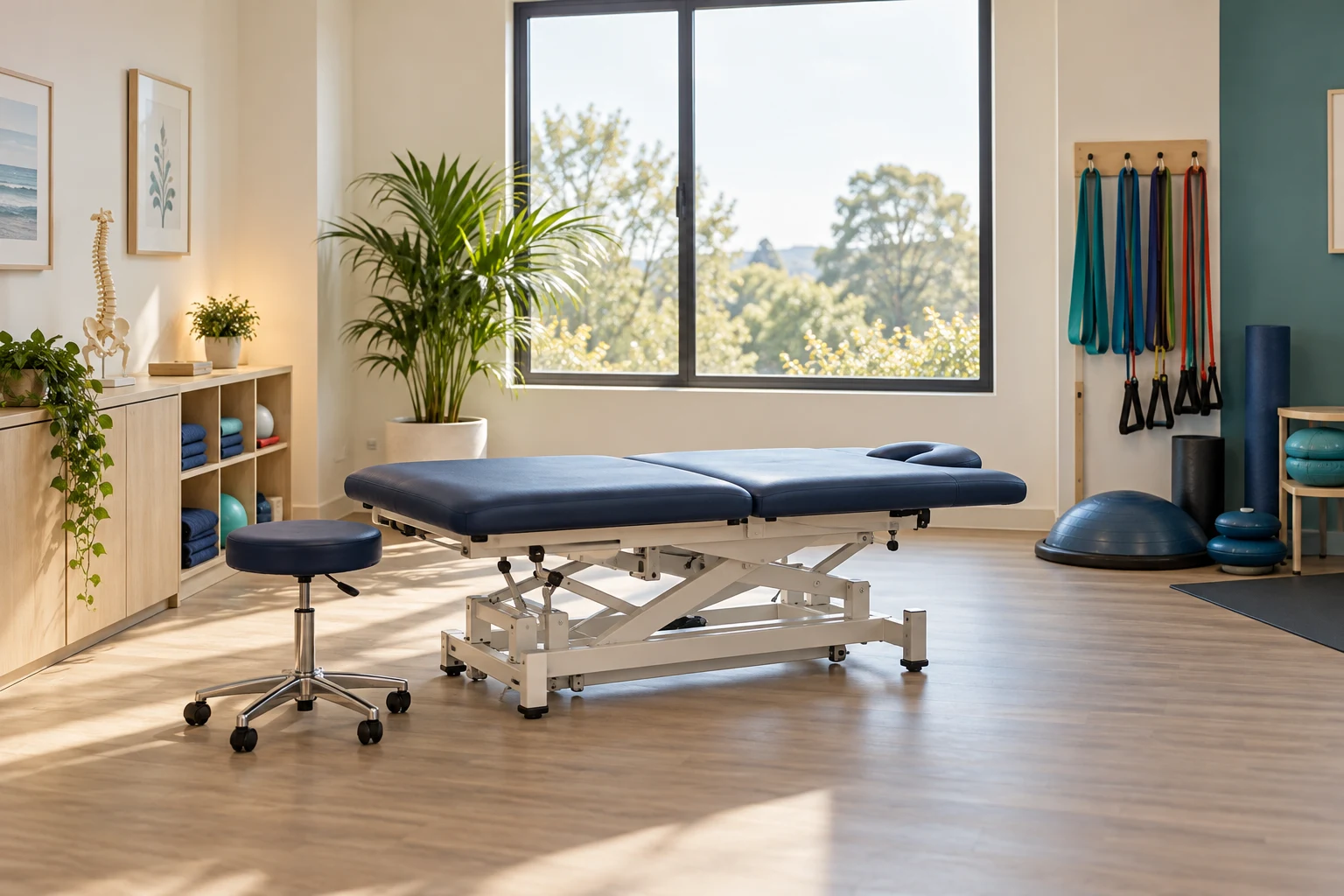
Your story, your routine, your goals. A useful care plan should connect all three, with clear next steps you can understand.
Some helpful things to know before
your first physiotherapy appointment.
A first visit typically includes a conversation about your concerns and goals, a movement assessment, and a discussion of possible next steps. Your clinician will explain what is appropriate for your situation.
Choose comfortable clothing that allows you to move. Bring any relevant referral or reports, your medication list, and insurance information if you plan to use extended health benefits.
Please confirm referral requirements with the clinic and your benefits provider before booking. Insurance plans can have their own documentation requirements.
Coverage and claim procedures depend on your plan. Confirm physiotherapy coverage with your benefits provider. Contact the clinic to confirm billing options for your plan.
Let's take that first step together.