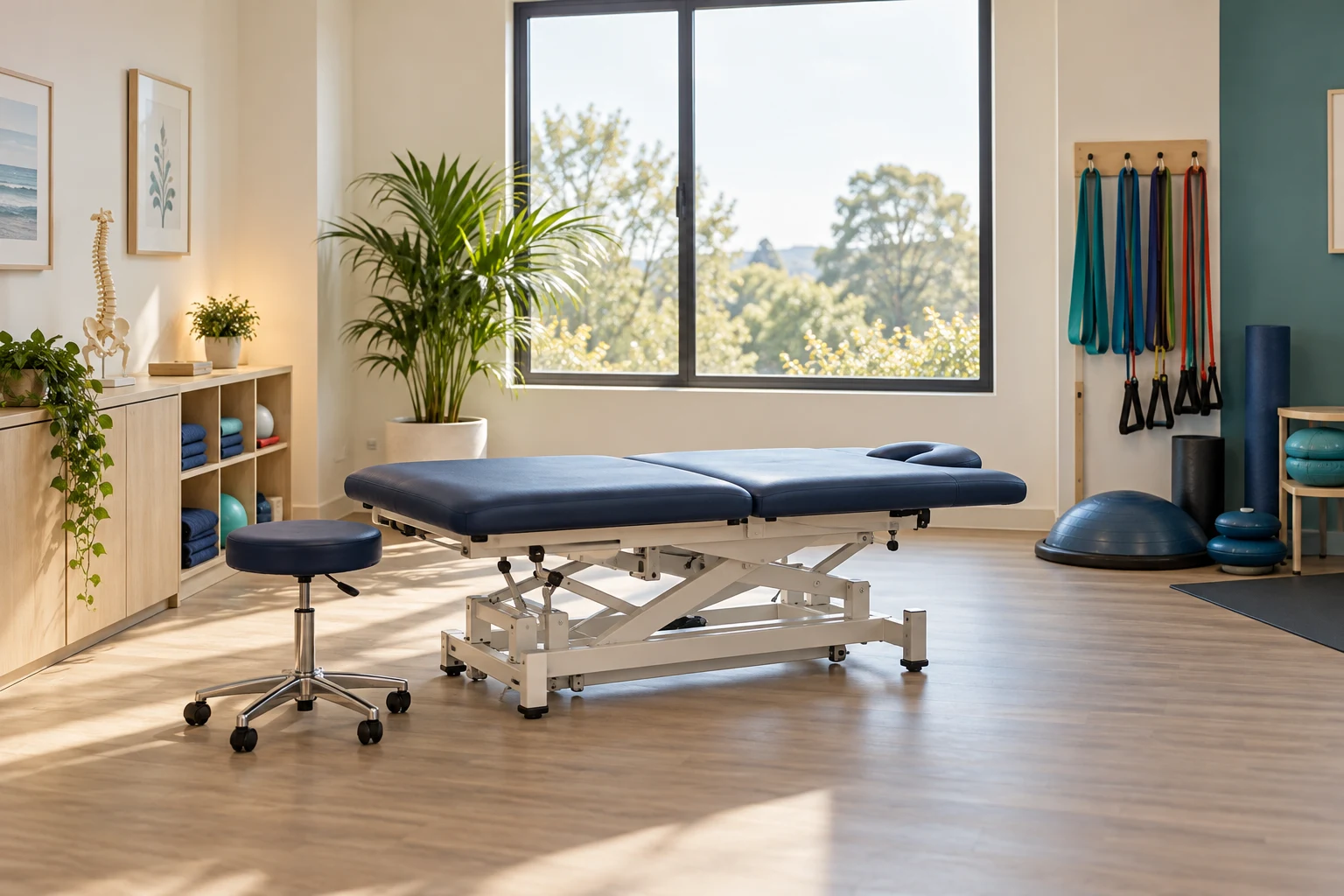
What is pelvic floor physiotherapy?
Pelvic floor physiotherapy considers the muscles and surrounding structures involved in support, continence and pelvic function. Symptoms may involve weakness, difficulty relaxing, coordination problems or factors beyond the pelvic muscles. Treatment is chosen after assessment; strengthening exercises are not the answer to every pelvic health concern.
The assessment and treatment options below explain this area of care. Contact the clinic to discuss your symptoms, confirm suitability and arrange the appropriate appointment.
Conditions and symptoms
- Urinary leakage with activity or urgency
- Pelvic pain and muscle-related discomfort
- Selected bowel-control and evacuation concerns
- Pregnancy and postpartum pelvic health concerns
- Symptoms associated with pelvic organ prolapse, alongside medical care
- Pelvic function concerns following surgery, when appropriate and medically cleared
How it can affect your day
You may notice leakage when coughing or exercising, difficulty reaching the toilet, pelvic pressure or discomfort with certain activities. These symptoms deserve attention without embarrassment. Tell your clinician about their effect on work, exercise, sleep or relationships, and any investigations or treatment you have already received.
Assessment tools and testing techniques
A focused assessment combines your history with selected clinical tests and outcome measures. The examples below are chosen according to the condition, safety and clinician’s training; not every test or device is needed or available at every appointment.
Bladder and bowel diaries
What it assessesSymptoms in everyday context
Recording timing, symptoms and relevant habits can reveal patterns for discussion. The clinician explains what to record and for how long, without asking you to change prescribed care. A diary helps guide assessment; it does not establish the cause by itself.
Pelvic symptom questionnaires
What it assessesImpact and change over time
A selected validated questionnaire can capture symptom burden and effect on daily life. The tool should match the concern, such as leakage or pelvic discomfort. Repeated results support follow-up but do not replace examination or medical investigation.
External movement and muscle assessment
What it assessesMovement and external muscle coordination
Observation may consider breathing, abdominal coordination, hip movement and selected functional tasks. External assessment can begin the discussion of care without an internal examination. Its scope and limitations should be explained.
Consent-based internal muscle examination
What it assessesPelvic muscle function, when relevant
Where appropriate, a trained physiotherapist may propose vaginal or rectal examination to assess contraction, relaxation, tenderness and coordination. The purpose and alternatives must be explained before consent. You can decline or stop; an internal examination is not a booking requirement.
Strength, endurance and relaxation testing
What it assessesThe type of muscle training that may fit
Selected assessment examines not only whether muscles contract, but also whether they release and coordinate with a task. These findings help distinguish a need for strengthening from a need for relaxation or motor-control work. More contractions are not automatically better.
Biofeedback as an adjunct
What it assessesFeedback for awareness and coordination
Where equipment and expertise are available, biofeedback may provide visual or other information about selected muscle activity. It can support awareness and retraining. It is not essential for every patient and does not diagnose every source of pelvic symptoms.
Understanding your assessment findings
The findings should explain whether muscle strength, relaxation, coordination or another factor appears relevant, and whether medical assessment is needed. Pelvic physiotherapy does not replace gynecological, urological or gastrointestinal investigation. Not all pelvic symptoms originate in the pelvic floor, and a clear explanation should acknowledge that uncertainty.
Treatment techniques and rehabilitation
Each technique has a purpose within a wider rehabilitation plan. Selection depends on assessment findings, your preferences and how you respond to care.
Individualized muscle training
When indicated, exercises address strength, endurance and timing. Instruction should include how to perform the movement and how to recognize whether it is being done appropriately.
When it may be considered
Assessment findings indicating a need to improve contraction, endurance or timing.
What a session may involve
Instruction checks both contraction and release. Practice is connected to relevant activities, with the amount adjusted to response rather than prescribed as unlimited repetitions.
Relaxation and coordination strategies
Some people need help relaxing or coordinating the muscles rather than performing more contractions. Breathing, awareness and movement strategies may be included according to findings.
When it may be considered
Difficulty releasing or coordinating the muscles, including selected pain presentations.
What a session may involve
The clinician may use awareness, comfortable movement and breathing strategies. Treatment is adjusted if practice increases discomfort or guarding.
Bladder and bowel habit education
Selected strategies may address routines, urgency management or toileting mechanics. Advice should fit the assessment and medical care, rather than impose one schedule or restriction on everyone.
When it may be considered
Patterns of urgency, leakage or toileting difficulty suitable for conservative management.
What a session may involve
A diary and agreed strategies may be reviewed together. Advice is individualized and should not involve unprescribed medication changes or excessive fluid restriction.
Movement rehabilitation and hands-on care
A plan may include progressive activity and selected external or internal manual techniques. Any intimate assessment or treatment requires a clear explanation and ongoing consent; it is not an automatic part of every visit.
When it may be considered
Selected movement limitations or muscle-related symptoms where an additional technique is appropriate.
What a session may involve
Hands-on treatment is explained before proceeding. Any intimate technique requires ongoing consent, and external alternatives and their limitations can be discussed.
A rehabilitation plan built around your goals
Goals might include returning to a preferred activity with less leakage, managing urgency or improving comfort during daily life. Agree on which symptoms to address first, what can be practised at home and when the plan will be reviewed. A sensitive approach includes the freedom to change your mind about any proposed technique.
More about this service
For clinic-specific information, visit Pelvic Floor Physiotherapy page ↗. You can also meet the team or book an appointment with the clinic.
What to expect at your first appointment
Bring relevant medical information and any symptom diary you already keep. You can discuss the appointment by conversation first and ask questions before an examination. Ask the clinic about privacy arrangements and whether a support person or chaperone can be accommodated. You do not need to agree to an internal examination in order to begin a conversation about care.
How progress is measured
Progress may be tracked through symptom frequency, a diary, a questionnaire and your ability to take part in valued activities. Change is individual and can depend on factors outside physiotherapy. Persistent or worsening symptoms may require reassessment or collaboration with another healthcare professional.
Home care and day-to-day support
A home program should match the assessment. Avoid assuming that repeated pelvic floor squeezes are appropriate for every problem. Ask for clear instructions on the purpose, dose and expected response of each exercise, and how to contact the clinician if symptoms increase.
When to seek medical care
Seek prompt medical assessment for unexplained bleeding, blood in urine, fever with pelvic pain or inability to pass urine. New bladder or bowel dysfunction with back pain, saddle numbness or leg weakness requires urgent medical assessment. Severe sudden pelvic or abdominal pain also needs urgent care.
Choosing the right physiotherapist
Ask about the clinician’s registration, relevant training and experience with your particular concerns. Explain any communication, privacy, accessibility or assistance needs before booking. A suitable appointment should leave room for questions and a clear discussion of your choices.
Frequently asked questions
Is an internal examination compulsory?
No. It should only proceed with informed consent after explanation. You can decline or stop, and discuss the options and limitations of an external assessment.
Is pelvic floor physiotherapy only for women?
No. Pelvic floor concerns can affect people of different sexes and genders. Confirm the clinician's training and experience for your specific needs.
Should I start Kegel exercises before my appointment?
Not automatically. Some concerns involve difficulty relaxing or coordinating muscles. Assessment helps determine whether strengthening is suitable.
Can physiotherapy help after pregnancy?
It may address selected pelvic symptoms and return-to-activity concerns. The plan should consider recovery, any complications and relevant medical advice.
Will my information remain private?
Ask the clinic for its health-information privacy policy and how records are handled. Share sensitive information through the clinic's approved channels rather than an unsecured general enquiry form.
How many appointments will I need?
This depends on the findings, goals and response. The clinician should explain the proposed plan and review it rather than promise a fixed result.
Further readingProfessional resources to explore at your own pace4 resources
- 01APTA: Pelvic pain (opens in a new tab)
- 02College of Physiotherapists of Ontario: Consent (opens in a new tab)
- 03Ontario: Controlled acts standard (opens in a new tab)
- 04Cleveland Clinic: Pelvic floor overactivity (opens in a new tab)
General information to help you understand your options. An individual assessment is needed for advice about your own health.